
Traditional Moroccan cuisine is one of the world’s most flavorful, diverse, and aromatic food traditions. Influenced by Berber, Arab, Andalusian, and Mediterranean cultures, Moroccan dishes blend spices, slow-cooking techniques, and beautifully balanced ingredients. For food lovers, exploring Moroccan cuisine is like taking a cultural journey through centuries of history, hospitality, and culinary craftsmanship.
Whether you’re planning a trip to Morocco or simply curious about its cooking traditions, this comprehensive guide will introduce you to the essential dishes, flavors, and culinary customs that shape Moroccan gastronomy.
The Unique Flavors of Moroccan Cuisine
Moroccan food is famous for its rich spices and harmonious flavor combinations. Many dishes combine savory, sweet, and aromatic notes in ways that surprise and delight visitors.
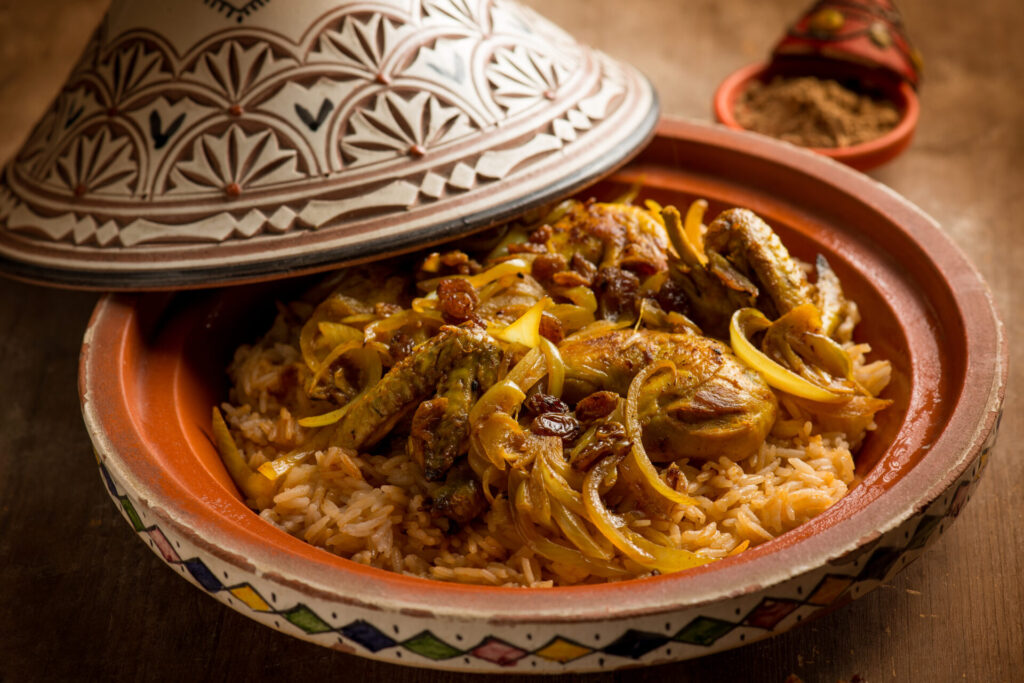
Key Moroccan Spices
Cumin – earthy and essential in meats and stews
Cinnamon – often used in pastries and sweet-salty dishes
Paprika – adds warm color and mild spice
Turmeric – gives dishes their golden glow
Ginger – brightens soups and tagines
Saffron – prized for its delicate flavor (especially in couscous and chicken dishes)
Ras el Hanout – a famous blend of 20–40 spices, unique to each shop
These spices are not used to create heat, but rather depth, warmth, and fragrance.
The Tagine: Morocco’s Signature Dish
The tagine is the heart of Moroccan cooking. Named after the clay pot in which it cooks, a tagine is a slow-cooked stew that blends meat or vegetables with spices, fruits, olives, and herbs.
Popular Tagine Varieties
Chicken with lemon and olives – bright, tangy, and incredibly aromatic
Lamb with prunes – a sweet-savory classic topped with almonds
Beef with vegetables – hearty and satisfying
Kefta tagine – spiced meatballs served with eggs and tomato sauce
Slow cooking allows the flavors to deepen, resulting in a tender, richly seasoned meal that melts in your mouth.
Couscous: Morocco’s Most Celebrated Dish
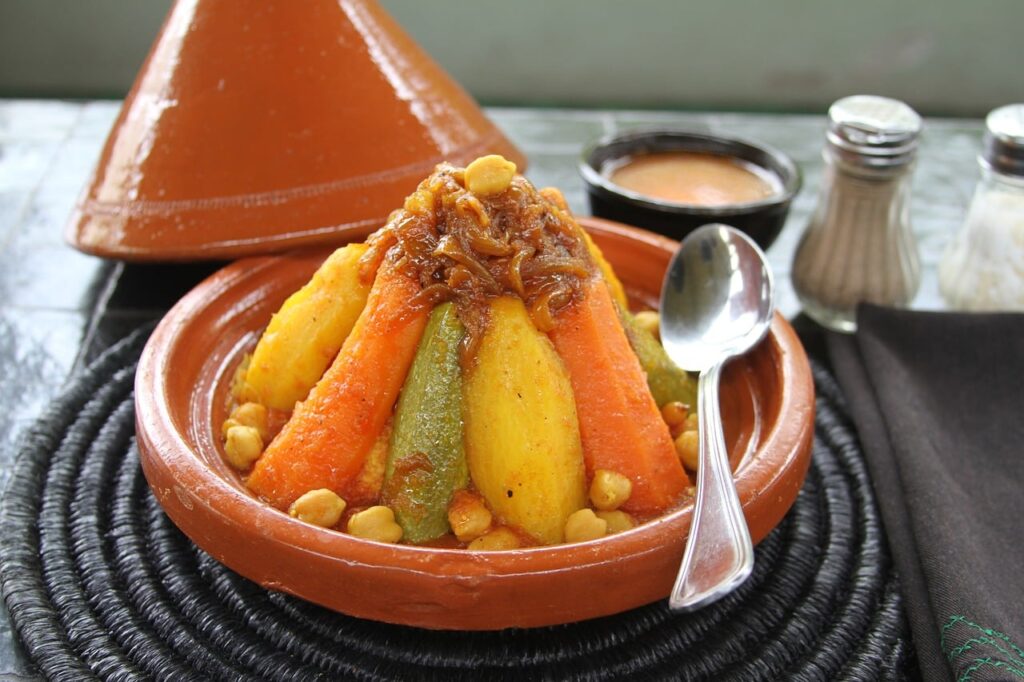
Couscous is traditionally made every Friday, when families gather for lunch after prayers. Considered a symbol of hospitality, couscous is steamed multiple times until it becomes light and fluffy.
Most Loved Couscous Varieties
Seven-vegetable couscous – with carrots, turnips, cabbage, pumpkin, zucchini, and chickpeas
Couscous with caramelized onions and raisins (Tfaya)
Couscous with lamb or chicken
It is often served on a large shared platter—a true celebration of togetherness.
Harira: Morocco’s Comfort Soup
Harira is a traditional soup made from tomatoes, lentils, chickpeas, and herbs. It is famously eaten during Ramadan to break the daily fast. Rich, filling, and nutritious, harira represents Moroccan comfort food at its finest.
Many families have their own secret recipes, passed down through generations.
Pastilla: The Sweet and Savory Pie
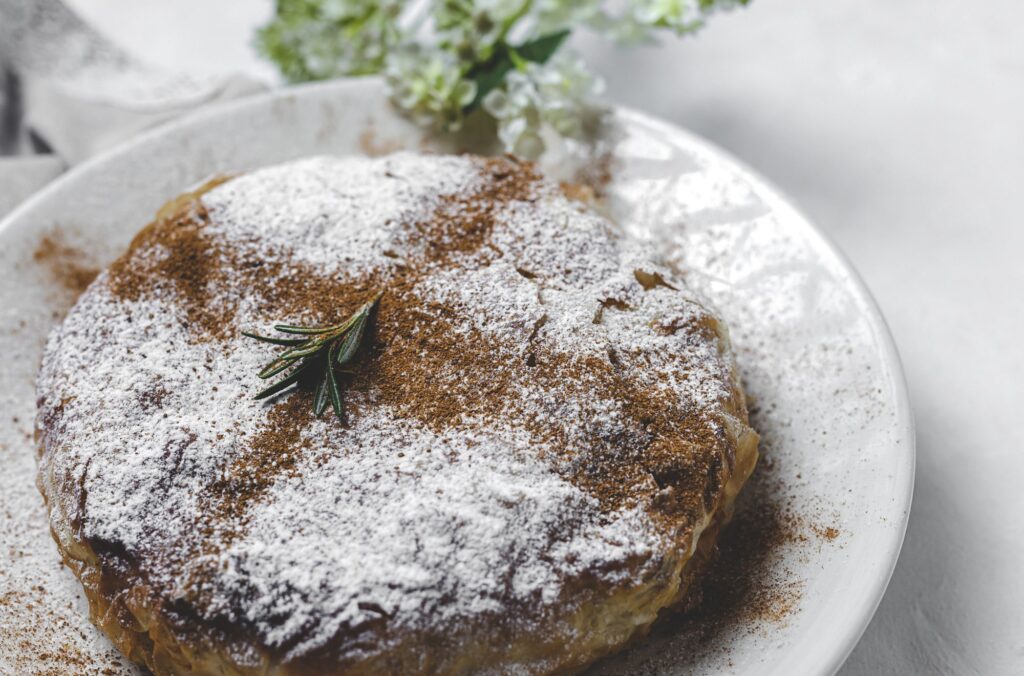
Pastilla (or Bastilla) is one of Morocco’s most unique dishes. Traditionally made with pigeon, though often replaced with chicken today, pastilla layers flaky warqa pastry with shredded meat, almonds, cinnamon, and powdered sugar.
The combination of buttery crust, sweet spices, and savory filling makes pastilla the star of many weddings and celebrations.
Moroccan Street Food: Authentic Flavors on the Go
Morocco’s cities—especially Marrakech, Fes, and Casablanca—are full of vibrant street food stalls offering delicious treats.
Must-Try Street Foods
Msemen – square, flaky pancakes served with honey or cheese
Bissara – a creamy fava bean soup, perfect for breakfast
Brochettes – charcoal-grilled meat skewers
Snails in broth – a popular traditional delicacy
Sfenj – airy Moroccan doughnuts dusted with sugar
These quick bites are affordable, flavorful, and deeply rooted in everyday culture.
Traditional Moroccan Desserts
Moroccan sweets often feature almonds, honey, and orange blossom water. They are served with mint tea—the symbol of Moroccan hospitality.
Famous Desserts
Chebakia – flower-shaped pastries fried and dipped in honey
Ghriba – crumbly almond or coconut cookies
Sellou – a nutty, energy-rich mixture served during celebrations
Kaab el Ghazal – crescent cookies filled with almond paste and cinnamon
Each treat reflects the country’s love for delicate, fragrant flavors.
Mint Tea: The Drink of Hospitality
No Moroccan meal is complete without a glass of mint tea. Prepared with green tea, fresh mint, and sugar, it is poured from a height to create a frothy top.
Mint tea isn’t just a drink—it’s a gesture of welcome and friendship.
Moroccan Bread: A Staple at Every Table
Bread, or khobz, is an essential part of Moroccan dining. Almost every neighborhood has a communal oven where residents bake fresh bread daily.
Common Types
Khobz dyal smida – semolina bread
Batbout – fluffy pan-cooked bread
Harcha – buttery semolina flatbread
Rghayef – layered and crispy
Bread is used instead of utensils to scoop up tagines and sauces.
The Culture of Moroccan Meals
Beyond ingredients and recipes, Moroccan cuisine is deeply connected to hospitality and family traditions.
Important Culinary Traditions
Meals are often shared from a single large dish
Food is eaten mainly with the right hand
Lunch is the most important meal of the day
Guests are always offered tea, bread, and something sweet
Recipes are often inherited through generations
Dining in Morocco is not just about eating—it is an experience of community and generosity.
Final Thoughts: Why Food Lovers Adore Moroccan Cuisine
Traditional Moroccan cuisine is rich, diverse, and filled with heartwarming flavors. From slow-cooked tagines to delicate pastries, every dish tells a story about the country’s history, people, and love for hospitality. Whether you’re exploring Morocco in person or recreating its dishes at home, this food lover’s guide will help you appreciate the depth and beauty of Moroccan gastronomy.